
Understanding the psychology behind gambling why we take risks at casinos
The Allure of Casinos
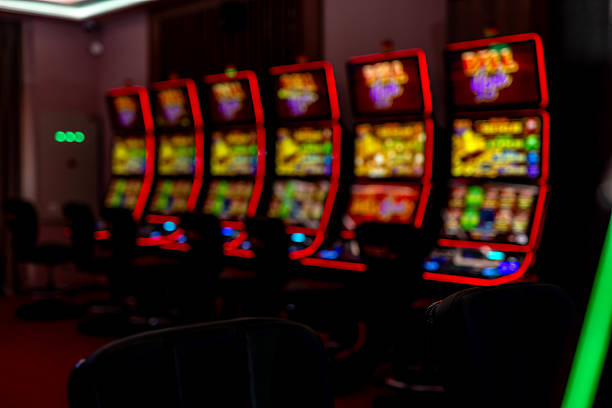
Casinos have long captivated individuals with their vibrant atmosphere, flashing lights, and exhilarating sounds. This sensory overload plays a crucial role in attracting people to gamble. The design of these establishments is intentionally crafted to create a feeling of excitement and anticipation, which can lead to impulsive decisions. People are drawn to the idea of winning big, and the thrill of risk often overshadows the potential for loss. Additionally, exploring mythoswincasinoonline.com can help us comprehend why individuals are willing to gamble their hard-earned money.

The environment of a casino is engineered to induce a state of euphoria. From the moment individuals step through the doors, they are enveloped in a world that feels separate from reality. This escape, combined with the promise of a life-changing jackpot, creates an irresistible urge to participate in the games. Often, the excitement associated with gambling is tied to the psychological concept of ‘near misses,’ where players almost win, further fueling their desire to continue playing in hopes of achieving that ultimate reward.
Additionally, the social dynamics of casinos cannot be overlooked. Many individuals enjoy the communal aspect of gambling, often playing alongside friends or strangers. This social interaction adds an extra layer of enjoyment and can lead to increased risk-taking behavior. The thrill of sharing a potential win or commiserating over a loss creates a unique bond among gamblers, further enticing them to engage in these high-stakes activities.
The Role of Cognitive Biases
Cognitive biases significantly impact the decision-making processes of gamblers. One common bias is the illusion of control, which leads individuals to believe they can influence the outcome of games, particularly in games of chance like slot machines. This false sense of control can encourage players to wager more money, convinced that their choices will lead to favorable outcomes. Understanding this bias is essential for recognizing why many people continue to gamble despite experiencing losses.
Another prevalent cognitive bias is the gambler’s fallacy, where individuals believe that past outcomes will influence future results. For example, if a player has lost several games in a row, they may feel that a win is ‘due’ and continue gambling in the hope of recouping their losses. This flawed reasoning often leads to escalating bets and deepening financial commitments. Recognizing these biases can help individuals make more informed choices about their gambling habits.
Furthermore, the reinforcement of these cognitive biases is often compounded by the environment of the casino itself. Advertisements and promotions frequently highlight winners while downplaying the many losses that occur. This selective representation reinforces the illusion of winning, perpetuating the cycle of gambling and encouraging players to chase their perceived chances of success. Consequently, understanding these psychological factors can illuminate why many individuals find it challenging to walk away from gambling activities.
The Emotional Experience of Gambling
The emotional highs and lows experienced while gambling can be profoundly addictive. Winning brings about feelings of euphoria and excitement, often leading individuals to chase these emotions by gambling more frequently. This emotional rollercoaster can create a powerful urge to engage in gambling behaviors, as players seek to replicate their past successes. The thrill associated with winning is often so intense that it overshadows the risks and potential losses involved.
Conversely, losses can evoke feelings of frustration, disappointment, and even despair. However, many gamblers use these emotions as motivation to continue playing. This is often driven by a desire to ‘win it back,’ which can lead to a dangerous cycle of risk-taking behavior. The emotional stakes involved in gambling can cloud judgment, causing individuals to act against their better interests in the pursuit of temporary emotional relief.
Moreover, social validation plays a role in shaping emotional responses to gambling. Gamblers often share their experiences with friends and family, and positive feedback can reinforce their behaviors. This validation can further entrench individuals in a cycle of gambling, as they seek to gain approval and excitement from their peers. Understanding the emotional landscape of gambling is critical for recognizing why many individuals engage in such high-risk behavior.
The Influence of Marketing and Promotions
Marketing strategies employed by casinos are specifically designed to draw in customers and keep them engaged. Promotions, loyalty programs, and bonuses create an enticing atmosphere that encourages individuals to take risks. These marketing tactics often focus on the thrill of winning, showcasing success stories while minimizing the narrative of loss. This can skew public perception, making gambling appear more favorable than it actually is.
Additionally, the use of psychological techniques such as urgency and scarcity in marketing can provoke impulsive behaviors among potential gamblers. Limited-time offers and exclusive promotions can create a sense of urgency that encourages individuals to gamble without fully considering the risks involved. This marketing approach taps into a fundamental psychological principle known as loss aversion, where the fear of missing out can lead people to take greater risks than they normally would.
Casino operators also utilize behavioral cues to create a captivating experience that encourages prolonged play. For example, free drinks or complimentary meals can create a sense of hospitality, distracting gamblers from their spending and losses. By crafting a welcoming and enjoyable environment, casinos can sustain player engagement, further driving risk-taking behaviors. Understanding these marketing influences helps reveal why many individuals find it challenging to resist the allure of gambling.
Exploring the MythosWin Casino Experience
MythosWin casino exemplifies many of the psychological factors discussed in the context of gambling. Its vibrant atmosphere, coupled with engaging promotions, draws in players looking for both entertainment and the chance to win big. The carefully designed experience encompasses elements of excitement and social interaction, allowing players to immerse themselves in a world of risk and reward.
At MythosWin casino, the emotional highs and lows of gambling are palpable. Players can share their wins with others, amplifying the thrill of success while also confronting the challenges of losses. This community aspect fosters a unique environment where individuals can find both camaraderie and competition, making the overall experience more impactful and engaging.
Ultimately, understanding the intricate psychological underpinnings of gambling can shed light on why individuals are drawn to casinos like MythosWin. By recognizing the emotional, cognitive, and environmental influences at play, individuals can better navigate their gambling experiences and make informed decisions about their participation in this high-risk activity.